Image: Istock
Homelessness in Ireland: moving beyond divisive narratives
Inclusive voices and communities are critical to solving Ireland’s housing crisis

STRATEGY

David Carroll
Chief Executive Officer, DePaul (Ireland)
David Carroll
Chief Executive Officer, DePaul (Ireland)
Issue 85 | September 2026
Housing has always been more than bricks and mortar. Throughout history it has been used as a form of power, shaping who belongs, who is welcomed and, too often, who is excluded.
We have seen this use of housing as a tool of power before. During the Windrush generation’s migration to Britain, housing discrimination became a tool of exclusion. Irish migrants arriving in London during the 1950s and 1960s experienced similar prejudice. My own parents moved to London in the 1960s and, like many Irish families, were forced to live for years in sub-standard rented accommodation because of discrimination. It was only when my father was in his early sixties that he finally secured social housing in the borough of Camden & Islington.
Moving away from divisiveness
As public debate becomes increasingly polarised, there is a growing risk that housing policy and decision-making is being shaped without listening to the people most affected by it or those working on the frontline.
Today, Ireland is at a critical point. More than 17,500 people are homeless, including more than 5,500 children. How do we move beyond the increasingly divisive narrative that migrants are in some way responsible for this housing crisis and focus on solutions?
The reality is that Ireland's housing shortage has been driven by years of underinvestment, a slowdown in house building and a growing population (needed to sustain our economy). Blaming newcomers may be politically convenient, but it will not build a single home – nor will it in any way solve the current crisis of housing scarcity and homelessness.
There must also be an acceptance that people from diverse ethnic and cultural backgrounds are now a permanent and welcome fixture in our communities and that Irish society – like many around the world – is changing. Migration will always be a legitimate subject for political debate, but equal attention must be given to building stable, cohesive communities where everyone has the opportunity to work, live and thrive.
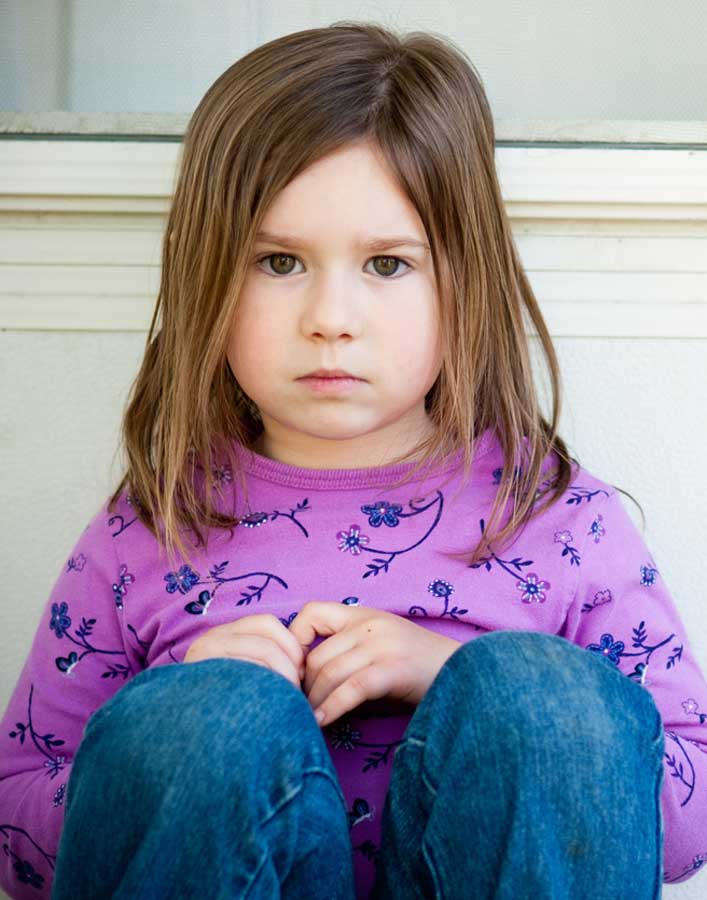
people are homeless in Ireland today, including more than 5,000 children
Homelessness is more than lack of housing
At Depaul, we have spent 25 years working with people experiencing homelessness. One lesson stands out above all others: homelessness is rarely just about the absence of housing. It is also about exclusion, isolation and the failure to create communities where people can belong and have their basic human needs met.
Working on the frontline of this crisis we know first-hand the fundamental truth: people who experience homelessness are not a homogenous group. A policy that works for a single person leaving prison may be entirely unsuitable for a family in the international protection system or a survivor of human trafficking.
Consider the community of International Protection applicants. As of early 2026, approximately 33,000 people were living in state-provided accommodation, many in cramped conditions with limited privacy. When deciding policy, we must listen to the voices of these families, over 5,000 of whom have legal permission to remain but are stuck in International Protection because there is no clear strategy for their integration.
“Safe, trauma-informed housing is often the difference between escaping abuse and remaining trapped in dangerous situations.”
Lived experience
We also need to be informed by those with complex mental health needs. We know that mental health and housing cannot be separated. Research carried out by Depaul found that around half of our residents experience depression, anxiety or suicidal thoughts. For many people living with trauma or severe mental illness, shared accommodation can intensify distress rather than support recovery. For them, access to appropriate single-unit housing is not a luxury but an essential foundation for rebuilding their lives, to support their needs and help them to work through their addiction or trauma and towards a better future.
Listening to women with experience of domestic violence or human trafficking tells a similar story. Safe, trauma-informed housing is often the difference between escaping abuse and remaining trapped in dangerous situations. Their voices should shape the services designed to protect them.
Now is the right time
Critics might argue that political polarisation makes this a difficult time for inclusive policymaking. On the contrary, this is exactly the right time. As Ireland debates the future of housing policy, political and moral leadership must focus not only on increasing supply but also on strengthening communities. We need a national strategy that prioritises prevention, integration and long-term housing solutions instead of relying on short-term emergency responses.
Homelessness is not an inevitable reality; it is preventable. But to achieve it, we require trust building, listening to those with lived experience and rejecting narratives that pit communities against one another. Inclusive communities are not an obstacle to solving the housing crisis – they are an essential part of the solution. People will tell us what works.
If we are prepared to listen to voices and build policies around dignity, inclusion and evidence, Ireland can create communities where everyone has the opportunity to live safely, securely and with hope.
“Inclusive communities are not an obstacle to solving the housing crisis – they are an essential part of the solution.”